Home medical devices
A cheap BP monitor doesn't save money. It gives you wrong numbers.
Clinically validated or not — that single line changes everything.
BP monitors, oximeters, thermometers and glucometers are now everyday household purchases. Accuracy is not decided by brand recall — it is decided by independent clinical validation (STRIDE BP, ESH protocols), correct cuff size, regulatory markings from your national health regulator (CE, FDA or equivalent) and calibration schedule. These guides show you what to verify, and where a home reading is not a substitute for a doctor.
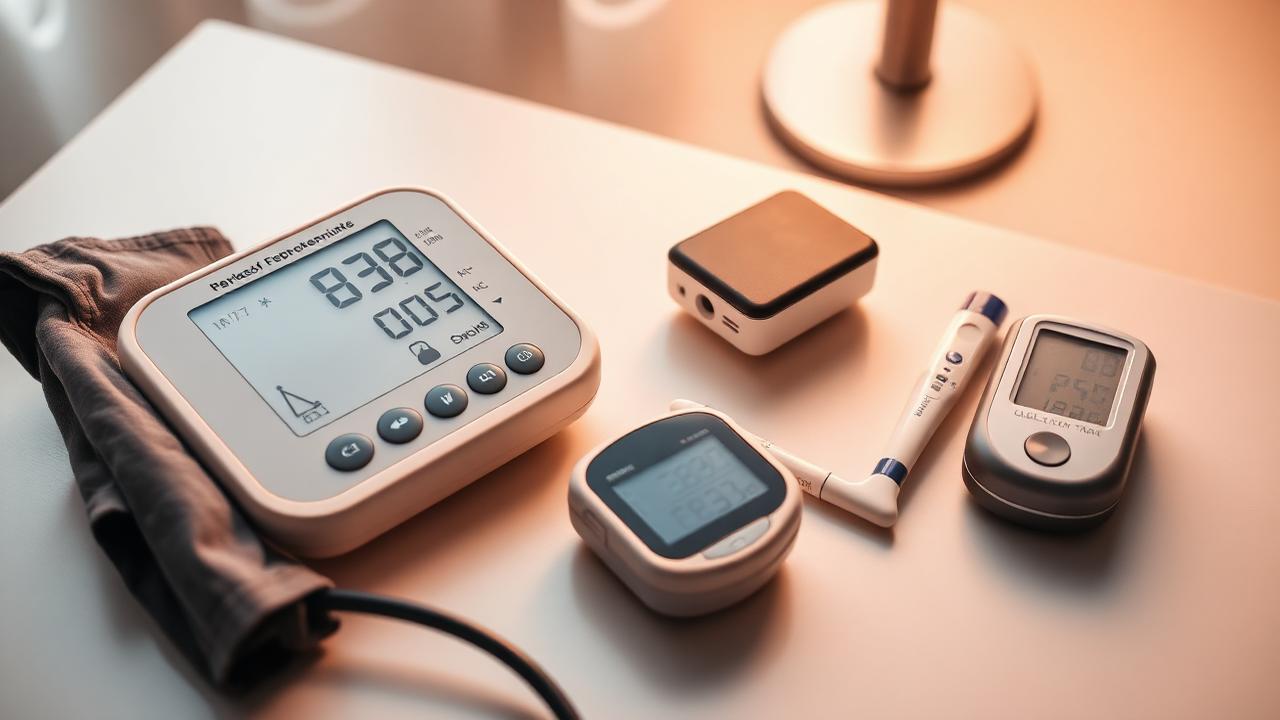
Validation first
Check the model on independent validation lists before you buy.
Fit and technique
Cuff circumference, arm vs wrist, posture and reading protocol.
Cost of ownership
Test strip price per reading, calibration, warranty and service.
Home medical devices guides — 3 decoded
Every guide ends with a short fit finder that turns your room, family size and budget into a spec sheet you can show the salesperson.
Ask this in the shop
- Is this exact model number clinically validated — show the listing?
- Which cuff sizes are included, and does it fit my arm circumference?
- What does one test strip cost, and are they easily available locally?
- Is it registered with the health regulator here, and how often should it be calibrated?
Other categories

Home appliances
The sticker price is one summer. The electricity bill is ten.
Electronics & gadgets
Big numbers sell phones. Small print decides how long they last.

Home textiles
Fabric shops sell touch. Numbers tell you what survives real laundry cycles.

Furniture & sleep
Firmness is a feeling. Density and core type are facts.

Skin & body care
Ingredients lists are ranked. Learn to read the first five lines.

Cars & two-wheelers
Colour and EMI sell the vehicle. Safety, running cost and service keep it.
Clothing & everyday wear
Fabric, GSM and fit decide comfort — for every age, every season.